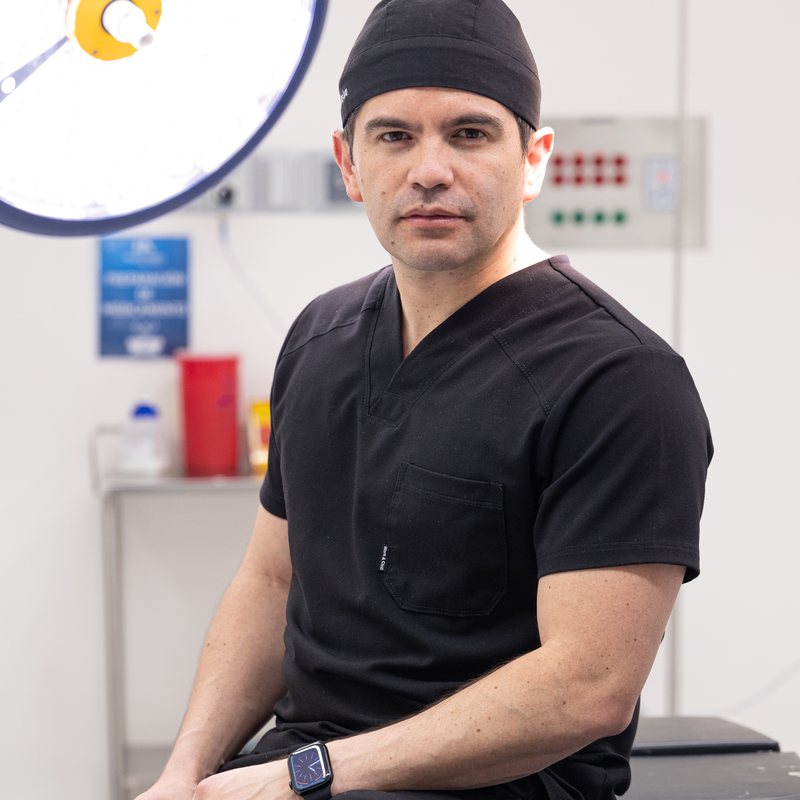
Dr. Luciano Ríos Lara
- Board certified by the Mexican Board of Plastic Surgery
- Trained at UNAM and Hospital General de México
- Teaches plastic surgery residents
Non-surgical procedures · CDMX
A relaxed jaw and a calmer face, so you can rest and wake up lighter.
Botox for bruxism is an injection of botulinum toxin into the masseter muscles, which close the jaw, to reduce the force of teeth clenching and grinding and ease related discomfort. Offered in Mexico City as a quick in-office treatment.
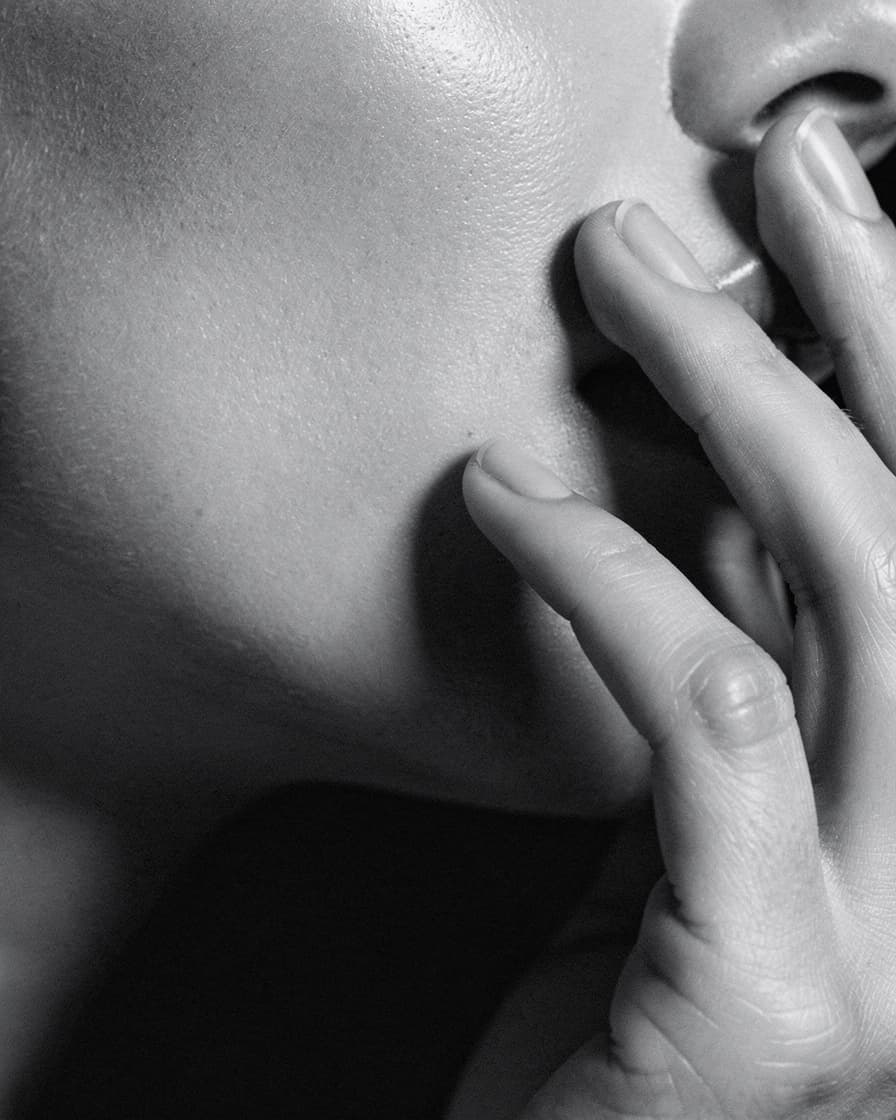
Results
Real patients of Dr. Ríos Lara, published with their consent.
“A real patient testimonial will go here, with a verified name or initials.”
Your safety
Your surgery takes place at Hospital Ángeles Clínica Londres in Roma Norte, Mexico City, under national and international safety protocols. The facility is also cardio-protected.
The doctor provides all the care you need with no additional surgeon's fees. Only extra hospital costs, if any, are covered by you.
Is it for me?
Bruxism is the often unconscious habit of clenching or grinding your teeth, whether during sleep or during the day. Over time it can wear down teeth and cause jaw or facial muscle pain, morning headaches, and enlargement of the masseter muscles, which shows up as a wider, squarer jawline.
Botulinum toxin type A is injected into both masseters, at the sides of the jaw. By partially relaxing these muscles, it reduces the force of involuntary clenching, which can ease muscle tension and pain. You can still chew and speak normally, because the dose is meant to temper the muscle’s strength, not switch it off.
An added effect is that, with repeat treatments, the masseter can shrink in size, softening the contour of the lower face. Relief usually builds gradually over the first few weeks. The effect is temporary, so treatments are repeated periodically if they work well for you.
This treatment is designed for people with bruxism who have masseter pain or tightness, jaw fatigue, or clenching-related headaches, as well as those with prominent masseter muscles. It is important to understand that Botox addresses the muscular side of the problem. It complements, but does not replace, an evaluation by your dentist or a TMJ specialist, or the use of a night guard to protect your teeth.
Bruxism can have several causes, including stress, sleep disorders, and bite problems, and these are best addressed together. If you have joint pain, clicking, or trouble opening your mouth, your surgeon will recommend a dental or maxillofacial evaluation before or alongside treatment. The appointment is short and has no downtime, so it fits easily into a trip to Mexico City. Working alongside your dentist means your teeth stay protected by the night guard while the toxin eases muscle force, and you can reassess over time whether treatment is still needed.
Recovery
You may see injection marks or a small bruise. Most people return to normal activities right away.
Clenching force decreases gradually. Your jaw may tire a bit more easily when chewing tough foods at first.
Relief from muscle tension is usually noticeable, and with repeat treatments the jawline may look softer.
Symptoms can return as the effect wears off; your physician will advise when to repeat treatment.
Common questions
Botulinum toxin is injected into both masseters, the muscles that close the jaw. By partially relaxing them, it reduces the force of clenching and grinding, which can ease muscle tension and pain.
Yes. The dose is meant to temper the muscle’s strength, not switch it off, so you can still chew and speak. During the first few weeks your jaw may tire a bit more easily with tough foods.
Clenching force decreases gradually over the first few weeks. The effect is temporary, and symptoms can return as it wears off; your physician will advise when to repeat treatment.
No. Botox addresses the muscular side of the problem. It complements, but does not replace, an evaluation by your dentist or a night guard, and it does not correct the cause of bruxism or protect tooth enamel on its own.
With repeat treatments, the masseter can shrink in size, which softens the contour of the lower face. It is an added effect that develops over time.
You may have bruising, tenderness, or mild swelling at the injection sites, chewing fatigue with tough foods, and a mild headache. Uncommonly, the product affects nearby muscles and causes a temporary asymmetric smile. It is not recommended with neuromuscular disorders, during pregnancy, or while breastfeeding.
It depends on your recovery and your follow-up visits. The appointment is short and has no downtime, and your response is reviewed after a few weeks. Your surgeon will help you plan your stay at your consultation.
Pricing depends on your case and is confirmed at your consultation. The dose is adjusted to your symptoms, so your surgeon sets it after examining you.
Price
Price range to be confirmed
Your final price depends on your case. You'll get it in writing at your consultation, with everything it includes.
Get my quotePhone: 55 6232 9139
Getting here
Google Maps (opens in a new tab)Waze (opens in a new tab)Apple Maps (opens in a new tab)View location
Your next step