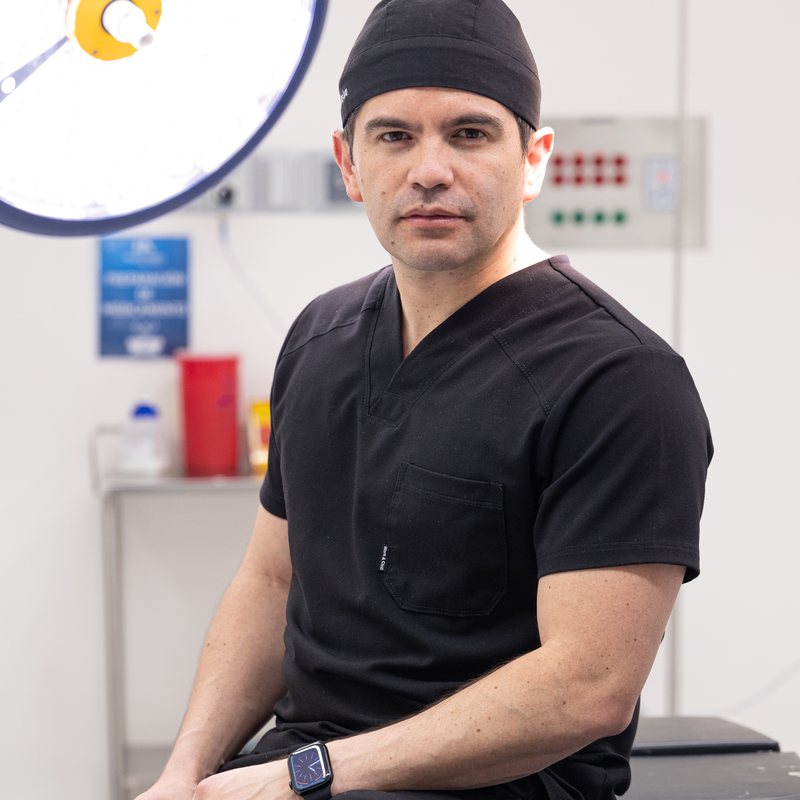
Dr. Luciano Ríos Lara
- Board certified by the Mexican Board of Plastic Surgery
- Trained at UNAM and Hospital General de México
- Teaches plastic surgery residents
Non-surgical procedures · CDMX
Smoother, more even and luminous skin that feels renewed to the touch.
Laser skin rejuvenation is a resurfacing treatment that uses light energy to improve skin texture, tone, fine lines, sun damage, and acne scars. In Mexico City it is performed as an outpatient procedure.
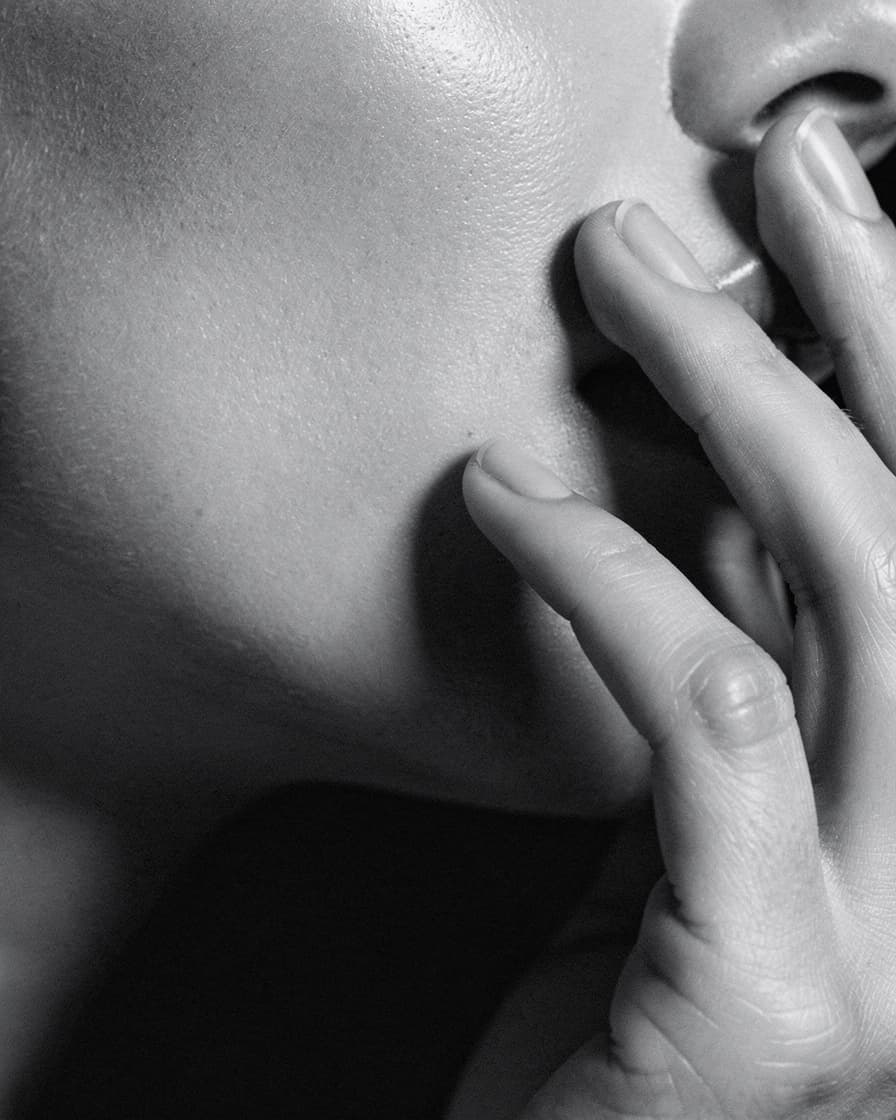
Results
Real patients of Dr. Ríos Lara, published with their consent.
“A real patient testimonial will go here, with a verified name or initials.”
Your safety
Your surgery takes place at Hospital Ángeles Clínica Londres in Roma Norte, Mexico City, under national and international safety protocols. The facility is also cardio-protected.
The doctor provides all the care you need with no additional surgeon's fees. Only extra hospital costs, if any, are covered by you.
Is it for me?
Laser skin rejuvenation, also called laser resurfacing, uses a concentrated beam of light to renew the layers of the skin. It is used to improve sun-damaged skin, acne and chickenpox scars, small facial marks and imperfections, and fine lines around the eyes, mouth, and cheeks. It can also even out skin tone and improve overall skin quality.
There are two main types of laser. Ablative lasers remove very thin layers of the skin’s surface (the epidermis) while heating the dermis below, which stimulates new collagen. They deliver more dramatic changes but need more recovery time. Non-ablative lasers leave the surface intact and heat the deeper layers to build collagen and improve firmness, with shorter recovery and more gradual results. Fractional versions of both treat the skin in microscopic columns, leaving untouched skin in between to speed healing.
It is important to know that lasers don’t remove excess skin or significant sagging, such as jowls or a loose neck; those concerns call for surgical options. After non-ablative treatment, improvement is gradual rather than immediate, and results can last for years with good skin care.
Laser resurfacing is a good option for people with sun damage, dark spots, uneven texture, visible pores, acne scars, or fine lines who want better skin quality without surgery. The type of laser and its intensity are chosen based on your skin type, how deep the concern is, and how much downtime you can plan for. If you are traveling to Mexico City, ablative treatments call for enough time in town for early healing and a follow-up check.
Darker skin tones carry a higher risk of pigment changes and need careful selection of equipment and settings. Let your surgeon know if you are prone to cold sores, have active acne, or take medications that increase sun sensitivity.
Recovery
After ablative treatment, the skin will be swollen, itchy, and healing over. You will need to cleanse it regularly as instructed and apply protective ointments.
Strenuous activity usually resumes after one to two weeks. You can use makeup to cover redness once your physician says it is fine.
Redness fades gradually. Strict sun protection is essential to prevent dark spots.
Collagen production continues, and improvements in texture and firmness become more visible over time.
Common questions
It depends on the type of laser. After ablative treatment, recovery takes one to two weeks: the skin will be swollen and itchy while it heals, and strenuous activity usually resumes after that. Non-ablative lasers have a shorter recovery.
Local anesthesia is typically used, and more extensive treatments may require IV sedation. The treatment usually takes 30 minutes to two hours, depending on the technique and the size of the area.
Results can last for years with good skin care. Collagen production continues after treatment, so improvements in texture and firmness become more visible over time.
Ablative lasers remove very thin layers of the skin’s surface and deliver more dramatic changes, with more recovery time. Non-ablative lasers leave the surface intact and heat deeper layers to build collagen, with shorter recovery and more gradual results.
No. Lasers improve skin quality, but they don’t remove excess skin or significant sagging, such as jowls or a loose neck. Those concerns call for surgical options.
The most common are redness, swelling, and itching, which are more intense with ablative lasers, plus acne flare-ups or milia. Pigment changes, cold sore flare-ups, or infection can also occur, and darker skin tones carry a higher risk of pigment changes. Scarring is uncommon.
It depends on your recovery and your follow-up visits. Ablative treatments call for enough time in town for early healing and a follow-up check. Your surgeon will define this with you at your consultation.
Pricing depends on your case and is confirmed at your consultation. It is based on the type of laser, its intensity, and the size of the area treated.
Price
Price range to be confirmed
Your final price depends on your case. You'll get it in writing at your consultation, with everything it includes.
Get my quotePhone: 55 6232 9139
Getting here
Google Maps (opens in a new tab)Waze (opens in a new tab)Apple Maps (opens in a new tab)View location
Your next step